Plastic vs Metal Measuring Spoons: Does It Matter?
Some links on this site are affiliate links, including Amazon and BrandCycle. As an Amazon Associate, I earn from qualifying purchases. If you click through and buy something, I may earn a small commission at no extra cost to you. It's basically how I keep the lights on in The Hot Mess Kitchen.
Short answer: mostly no. Slightly yes. Let me explain before you close this tab.
I realized I’ve been quietly picking sides in my own kitchen for years without ever once explaining why. So here’s the breakdown: no fluff, just the parts that matter and the parts you can ignore.
The Real Difference Between the Two
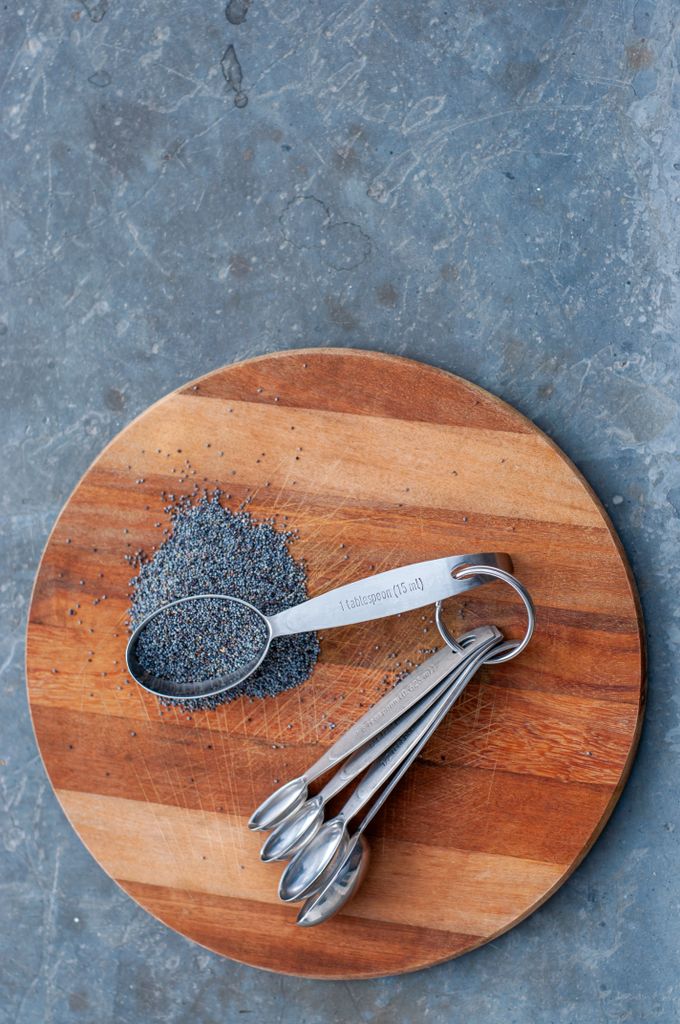
Metal (stainless steel)
Metal spoons hold their shape. They don’t warp in the dishwasher, they don’t melt if you leave them too close to the stove, and they give you a hard, clean edge for leveling off flour or sugar with a knife. That last part matters more than people think. A rounded plastic edge means you’re eyeballing “close enough,” and close enough is how you end up with dense banana bread.
Plastic
Plastic is lighter and cheaper. The tradeoff is durability. Plastic warps with heat, stains with things like turmeric and tomato sauce, and over time can shift slightly out of true measurement, which defeats the entire purpose of a measuring spoon.
When It Matters
Most days, grab whichever one is clean. Nobody is inspecting your spoon collection. But there are a few specific moments where the material genuinely changes the outcome:
Use metal for anything hot. Melted butter, warm oil, anything straight off the stove. Plastic can soften or warp with direct heat, and a warped spoon is not measuring anything accurately anymore.
Use metal for dry ingredients. Flour, baking soda, spices. The clean edge lets you level it properly instead of guessing.
Use metal for sticky ingredients. Honey, peanut butter, anything that clings. Metal scrapes cleaner, so you’re not leaving a third of your measurement stuck to the sides.
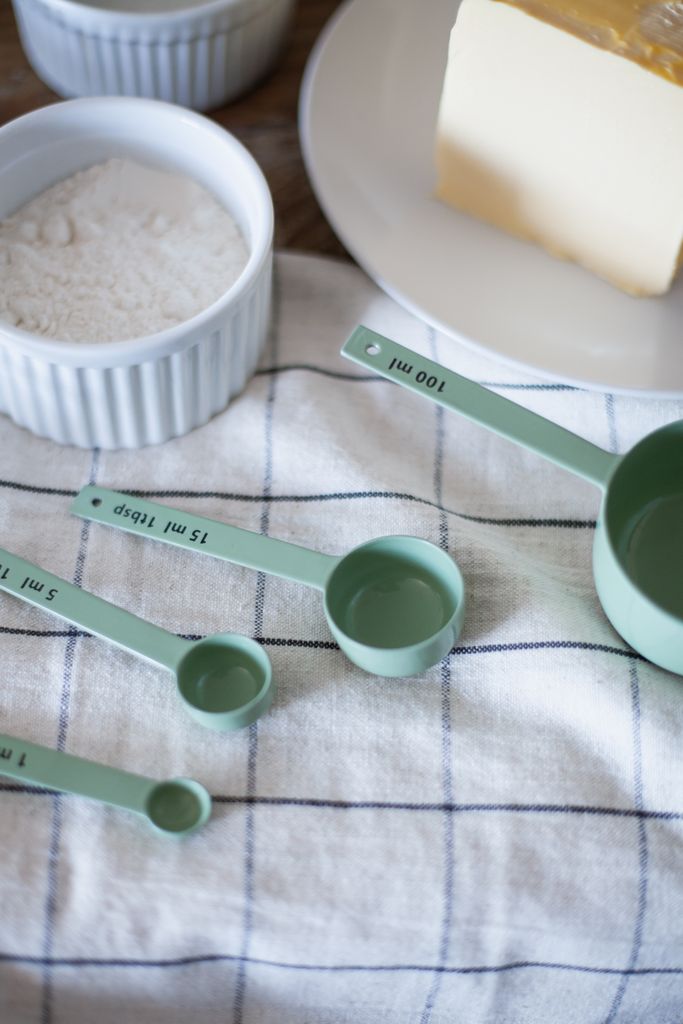
Use plastic for acidic ingredients that sit for a bit. Vinegar, citrus juice, tomato paste. If it’s a quick scoop and straight into the bowl, it doesn’t matter. If you’re pre-measuring things that sit for a few minutes before you use them, plastic avoids any chance of a metallic taste.
The One Rule Worth Following
Hot liquid goes in metal. That’s it. That’s the one that can mess up a recipe or melt your spoon. Everything else is preference.
And regardless of what material you’re using, check that your set is marked with real standard measurements. Some of the cute novelty sets, especially plastic ones, are shaped for looks and not particularly accurate. If your teaspoon looks suspiciously large or small, it might just be wrong.
That’s the whole story. Buy what you like, use metal near heat, and stop overthinking your spoon drawer.
I made a video about the rectangular measuring spoons that are replacing all others in The Hot Mess Kitchen.
Looking to spice up your cooking? These measuring spoons are perfect for precise measurements!